The same could be said of pubs such as The Olde Apple Tree in Peckham, where a mildly chaotic dash to an inevitably broken cash machine somehow heightens the evening’s pleasure.
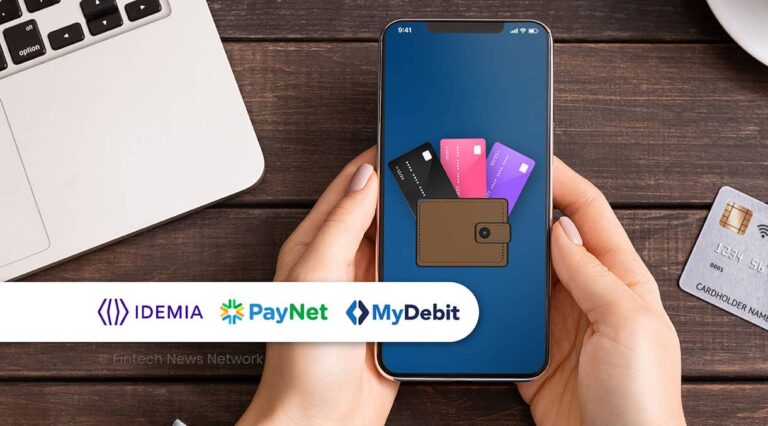
How did cash acquire this cachet? Even before Covid it was fading. The pandemic merely administered the final blow. Card-only signs proliferated, and handling notes felt faintly unhygienic, even illicit.
Carrying cash became an anachronism. The last time I attempted to pay my hairdresser with actual money, I was met with a blandly uncomprehending look, followed by prim disapproval when they realised that the bundle of notes I was waving in my hand was intended for them.
Embarrassed, I reverted to contactless payment and apologetically left, hoping they did not think I was flaunting the remnants of a successful drug deal.
We inhabit an age of expensive necessities and cheap luxuries. Rent and electricity prices soar, while pleasures once reserved for the most entitled absolute monarch are available at the swipe of a screen.
On the (modest) income of a writer and tutor, I can, in principle, book a budget flight on a whim, stream operas, or order sashimi to my door.
In my university days, I remember a friend who was poised to embark on a career as a restaurant critic, remark gloomily that the job was defunct. New openings were simply too good for there to be any need for a critic as an arbiter of taste. He took a job at BlackRock.
If everything is easy, a little challenge starts to feel attractive. We’re seeing an inversion, where venues offering discomfort gain a status symbol.
One must plan ahead, locate a cashpoint and withdraw the correct sum. Yet the unprepared risk mild embarrassment. That preparation becomes a signal of belonging.
I, the alternative and indie, with my bundle of dosh and knowledge of obscure eating spots, can lord it over you, the Apple-paying Starbucks goer. I know the correct means of frequenting the hipster bar that you, as you clumsily try to tap your phone, sorely lack.

Leave a comment