It’s definitely not April Fools’ Day. Dreame, the company best known for robot vacuums, showed off three new models of its Aurora smartphone at its Dreame NEXT event in San Francisco.
All of the phones, which the company previously introduced in China in March, have flashy designs. But Dreame has some interesting, occasionally tacky ideas about what it wants to bring to the industry with its new phones, including magnetic modules that add functionality and bedazzled, textured patterns in a luxury version that, at times, make it look like a totally different phone.
The standard Aurora is the most normal-looking phone. It has a gigantic, OnePlus 13-like circular camera bump at the top of its backside and comes in multiple options that aren’t just a single color but have patterns, like a jade green, granite-like one that the company kept showing.
During its presentation, Dreame mentioned a few specs, like a 200-megapixel camera and 8K video, but didn’t get more specific, at least about the massive camera. It also spent time on the phone’s connectivity, which the company says will get connected faster and stay connected more consistently than competing smartphones. We’ll see!
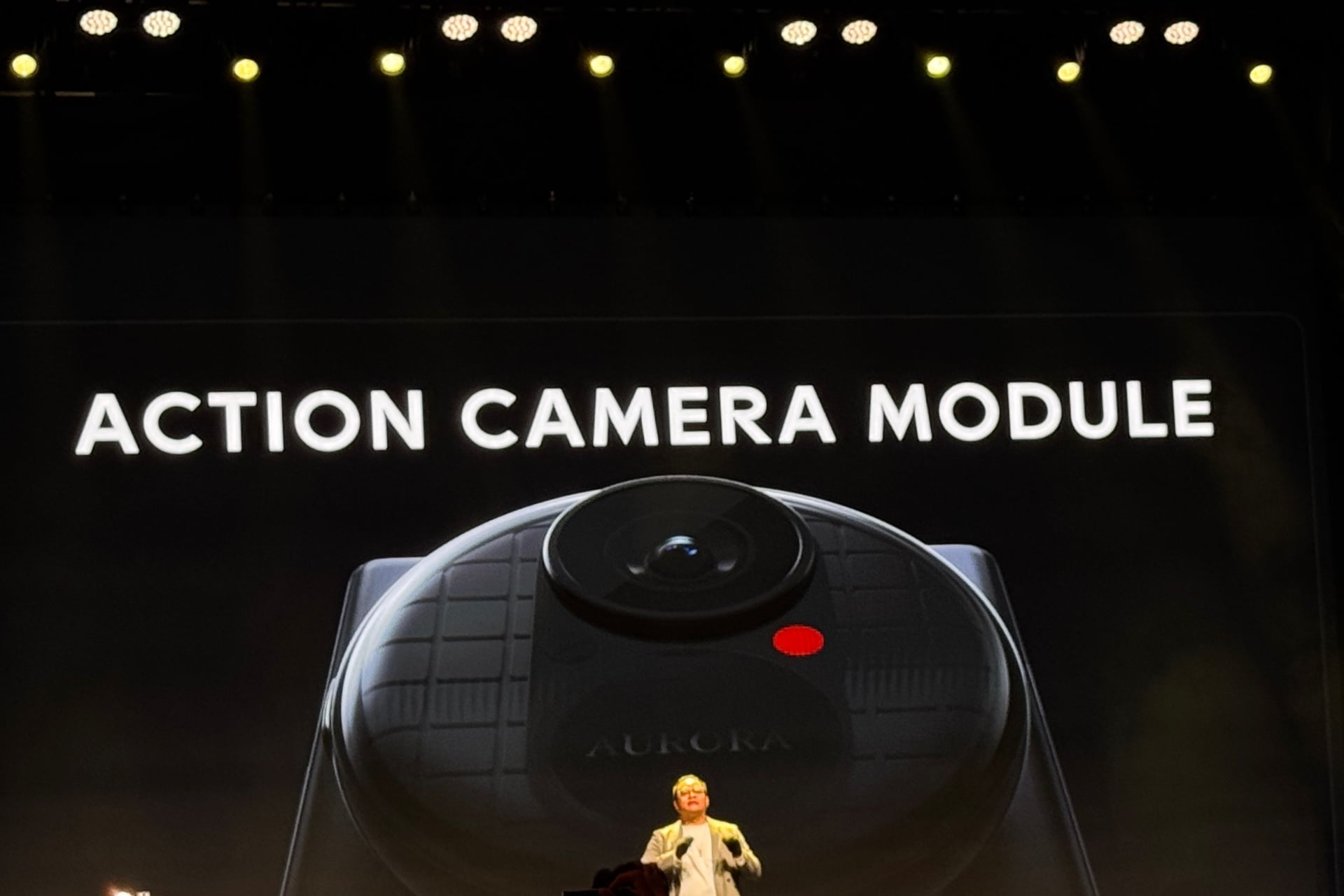
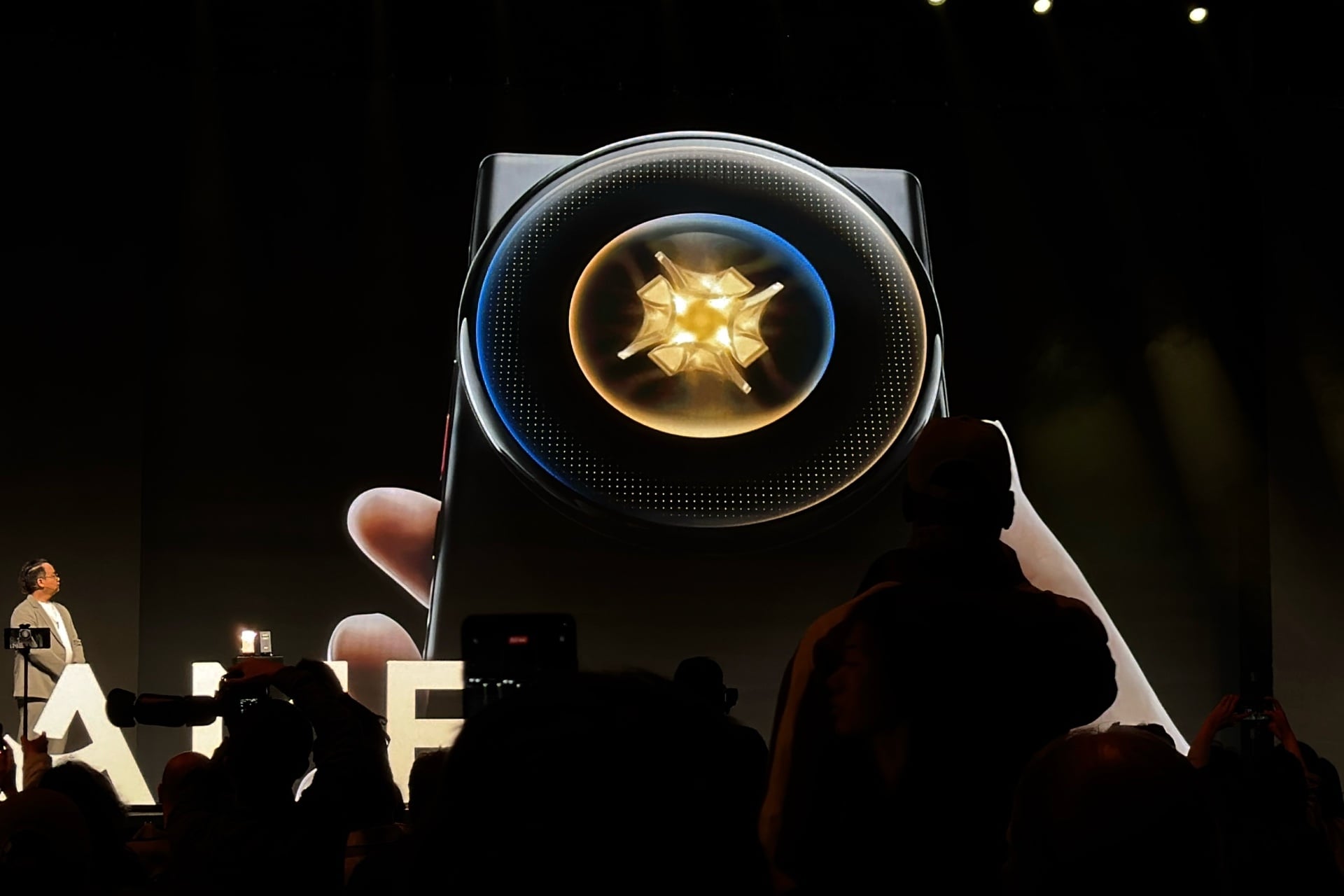
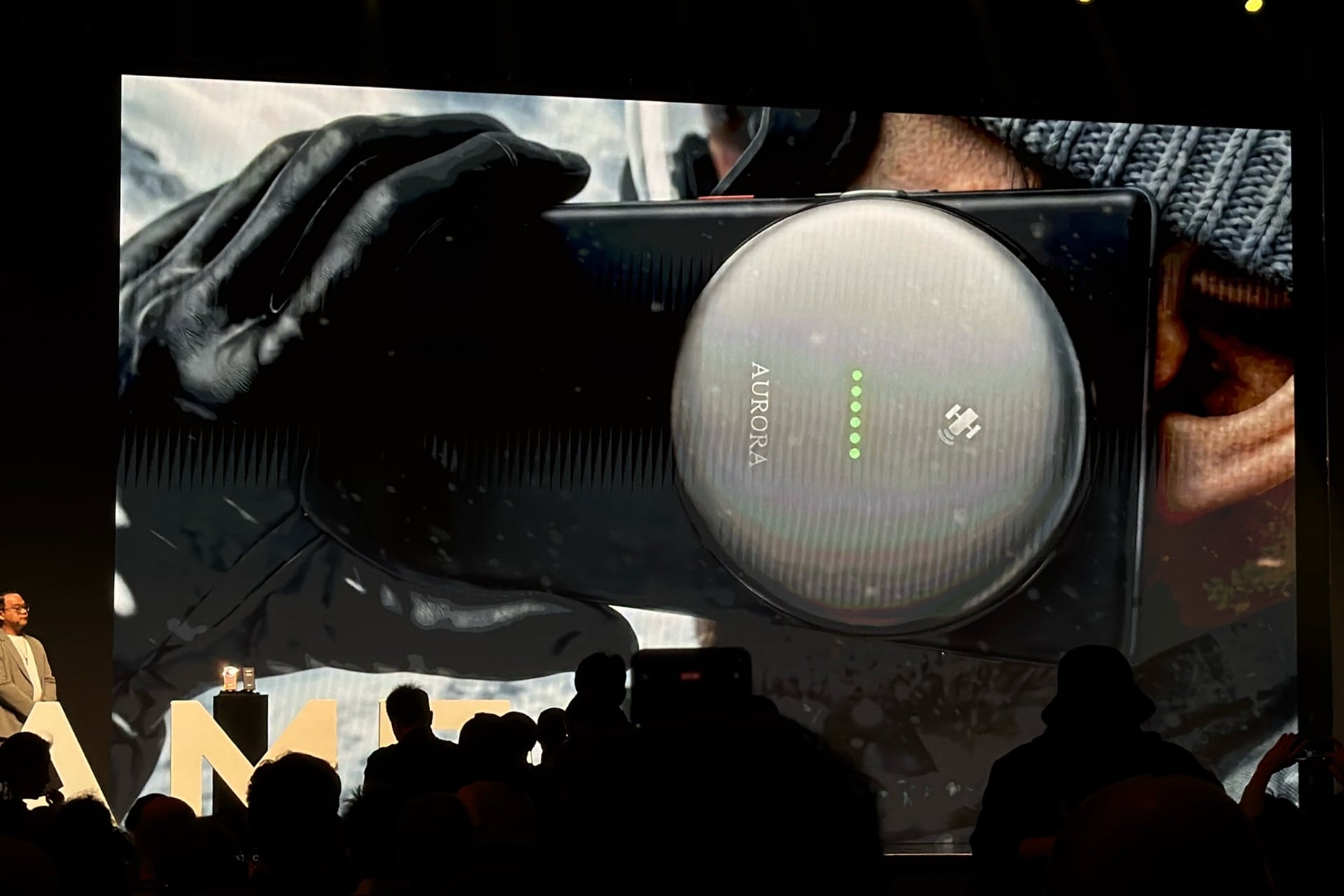
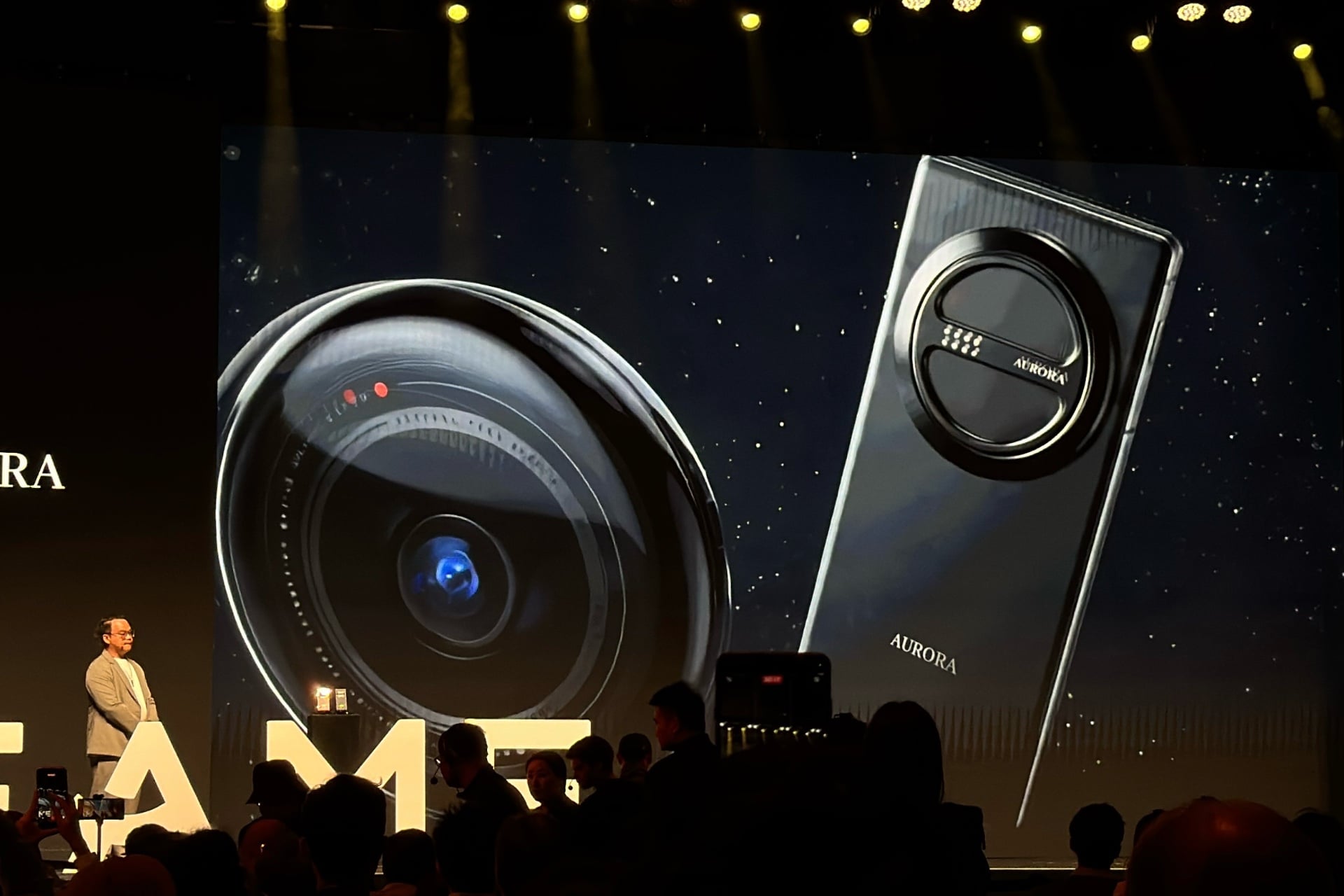
Then there’s the Aurora Nex, the model with magnetic, MagSafe-like accessories. The Nex mounting spot replaces the camera bump, so if you bought it, it seems you’d be giving up a built-in rear camera. In its stead are four different modules.
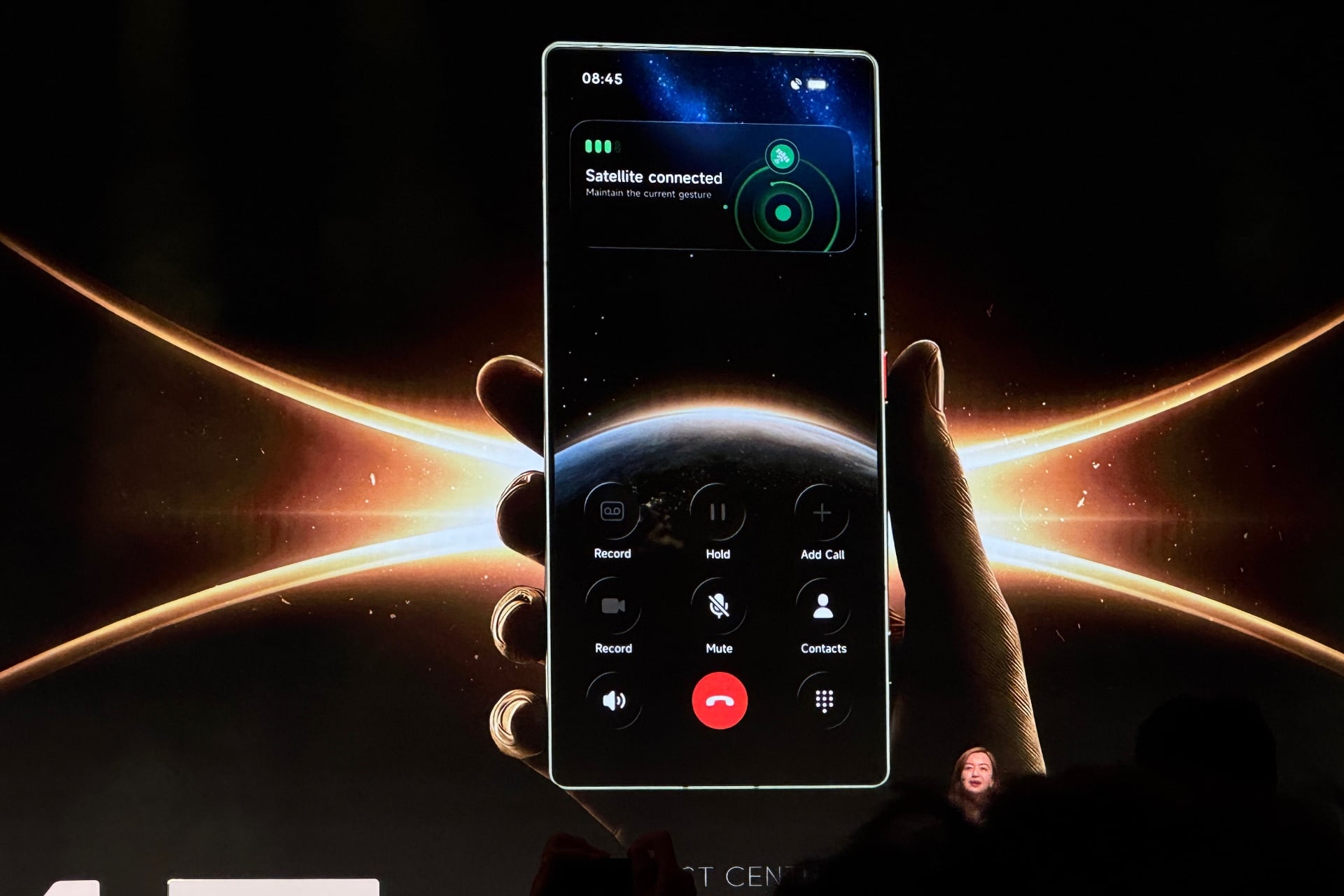
There’s the Action Camera Module, which adds a 50-megapixel sensor with (presumably) optical image stabilization and 0.1-second autofocus. The Telephoto Module has a 50-megapixel sensor with 20x magnification and LOFIC sensors, a technology that enables wide dynamic range HDR photos in a single exposure rather than requiring multiples stitched together. The Satellite Connection Module looks like a smooth river pebble and has LED lights showing its current connection strength. And last is the Agent Module, which has a glossy, curved display that Dreame said is “designed to support [the] user without constantly demanding attention.” The company also showed another module that looked like a cooling fan, similar to the MagSafe accessories that have been pitched to phone gamers for years.
It’s a neat idea, although I question the choice to supplant the built-in camera module. It’s not that it wouldn’t be useful, but I’ve played around with camera lens accessories like those from Moment, and one thing I quickly discovered is that I just won’t carry them with me. Then again, Dreame’s camera module is self-contained and presumably would be better than what current ones do: putting lipstick on the pig of tiny smartphone sensors. I’d love to hear actual photographers’ impressions once the Aurora Nex phone is out in the world.
Finally, Dreame showed off the Aurora Lux, a luxury, excessively bedazzled version that comes in five different variants with intricate designs that can look wildly different from one another, to the point of looking like different phones entirely. One of the phones, the Axiom Geometry, even looked like punched-up versions of the Google Pixel phone. Each of them has its own name: Luxe Loop Sanctuary, Imperial Totem, Golden Age (which has a big clock where the camera should be and looks how I would’ve expected the Trump Phone to), Regalia Shield, and Axiom Geometry.
When Dreame was done showing the phones off, it took a clear shot at several premium smartphones, showing a colorful Aurora phone against a backdrop of iPhones, Samsung Galaxy phones, and more as dim, gray slates.
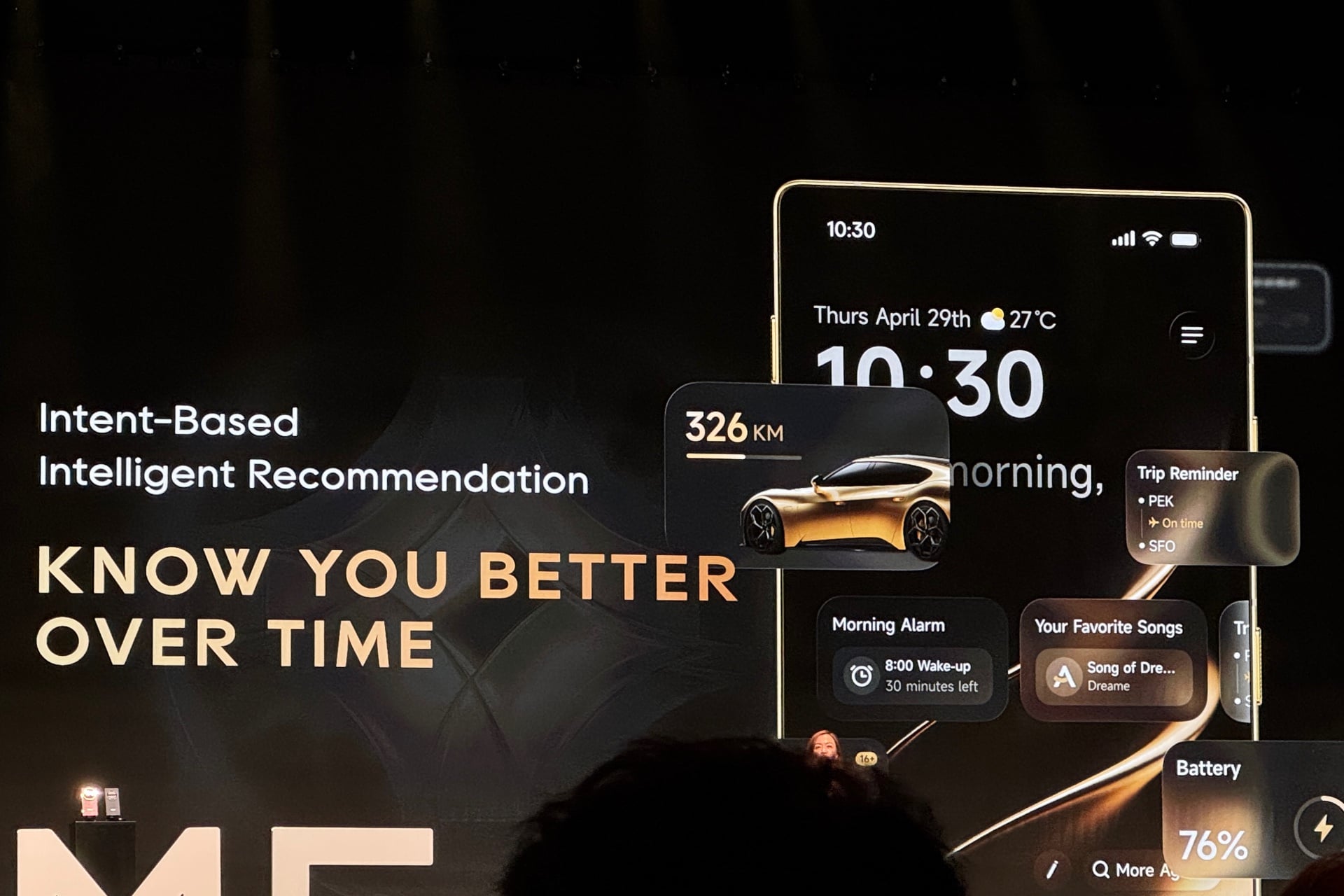
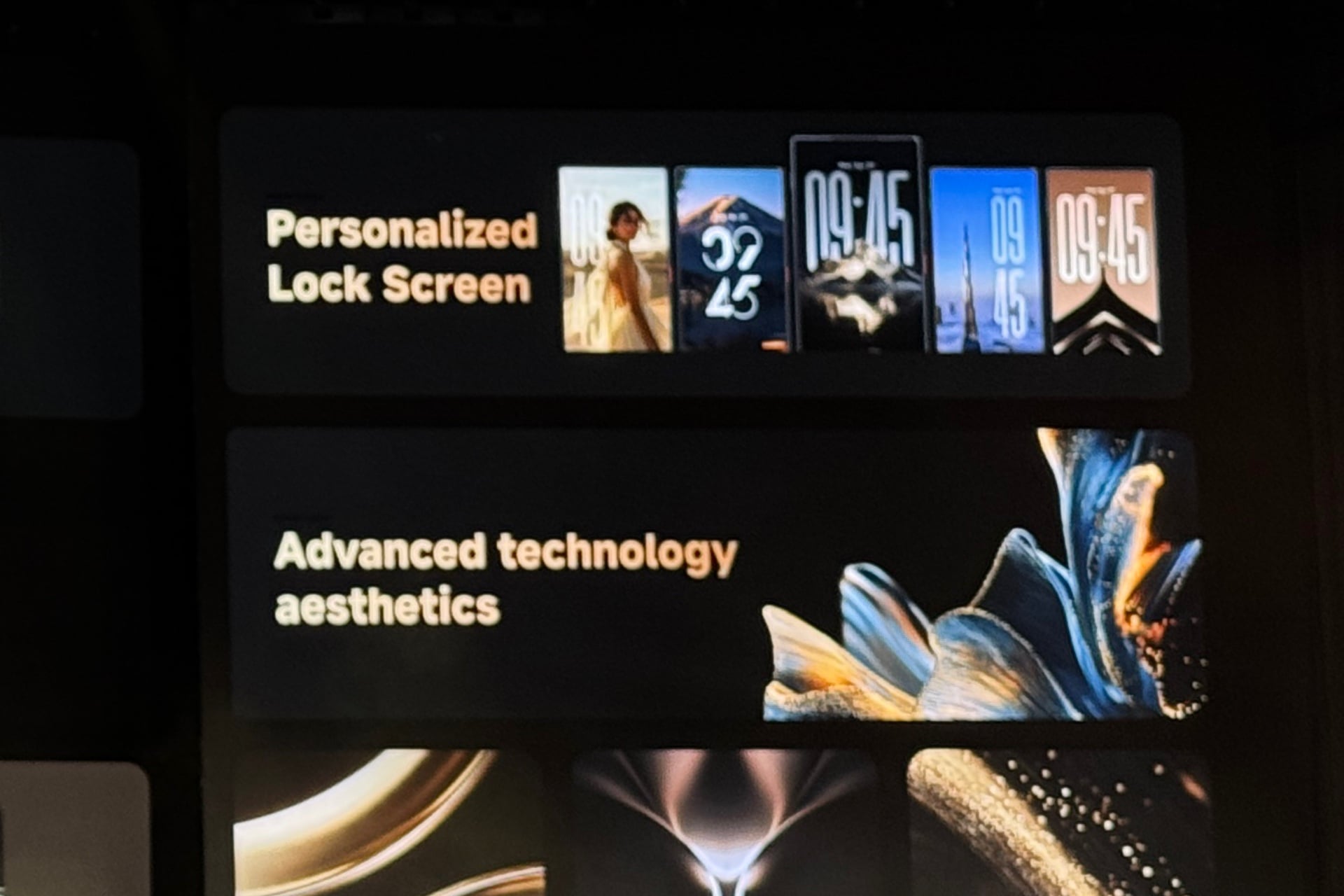
The company also showed off its Aurora OS 1.0, which it says is self-developed and built on Android, according to a representative. It looks… a hell of a lot like Apple’s iOS 26 Liquid Glass design language, down to the frosted glass buttons with edge highlights and customizable lock screens with clocks that fill half the screen or tuck behind a photo’s foreground subject.
Obviously AI will be a part of the operating system, too. Dreame said it will feature AI with memory and the ability to make suggestions based on your personal context—again, mirroring Apple talking points—although the company didn’t go into how any of this works. Is it cloud-based? Local? What about privacy? These are all open questions at this point.
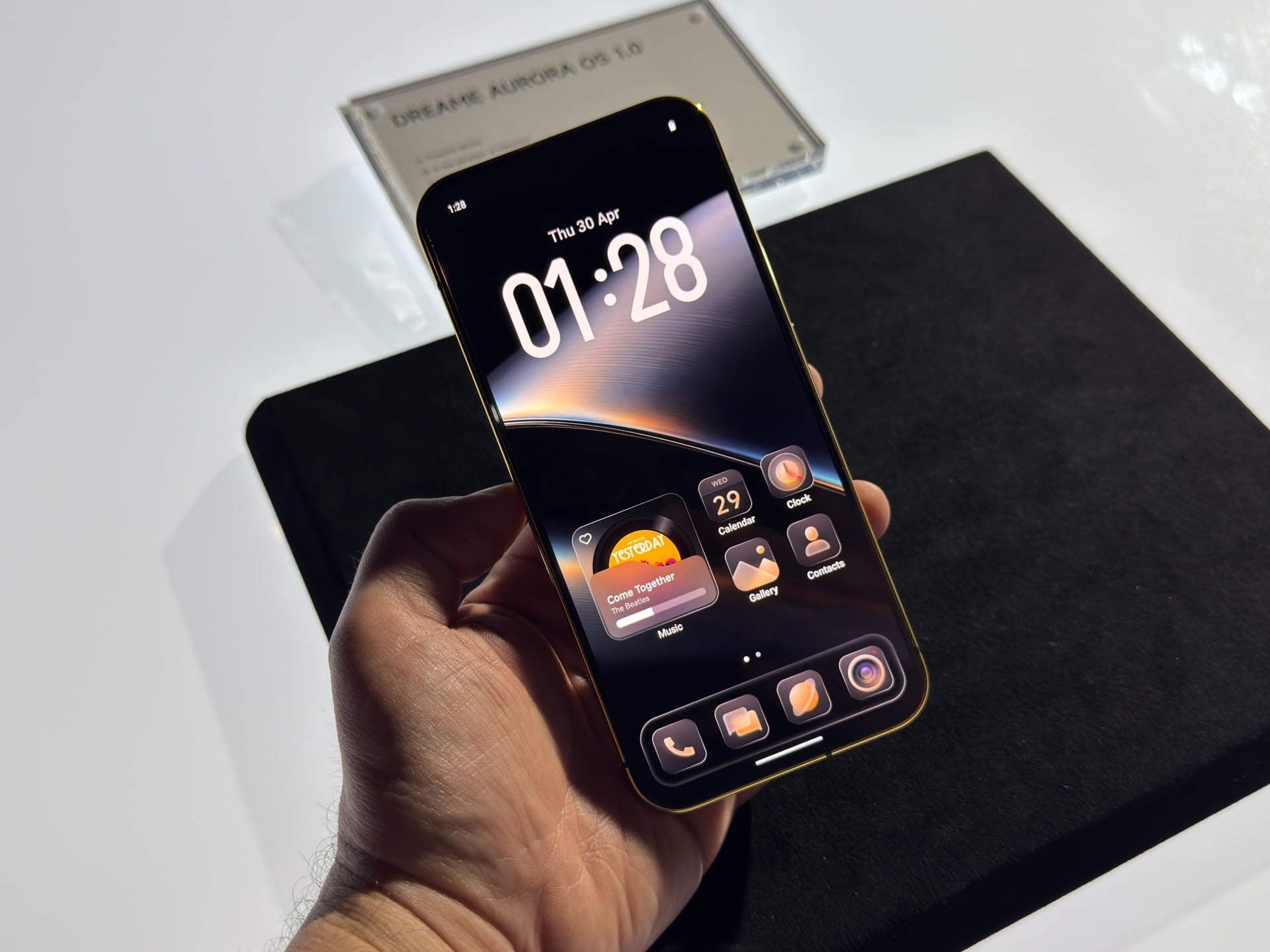
After the announcement, I got to look at the phones and although I couldn’t pick up any of the square-ish models below, there were others that were clearly another company’s phones, with Dreame’s Aurora-style accoutrements slapped on the back. (A representative told me these were just there to show off the design of the OS.) There wasn’t much to do there; I could swipe around, which was smooth, but if I went any deeper than the lock screen or the main home screen, I was clearly just looking at stock Android. That said, as in the presentation, what I saw really looked just like iOS 26.
Speaking with representatives nearby, I was told the phone has no set launch date nor pricing. Guess we’ll just have to wait a little longer, but based on the very unfinished mock-up of Aurora OS 1.0, I’d say don’t hold your breath.


Leave a comment