As the ice and snow melts, Yosemite National Park is about to burst into a world of colorful wildflowers.
Spring in the park means waterfalls and beautiful blooms, attracting crowds of visitors.
As of Wednesday, March 25, waterfalls were flowing fiercely in Yosemite Valley — and wildflowers in parts of the park weren’t far behind.
“Wildflower season in Yosemite National Park shifts based on elevation, snowpack and rainfall,” Yosemite Resorts said on its website. “Blooms do not happen all at once. They move up the mountain as snow melts.”
Planning your trip carefully could mean the difference between seeing some scattered flowers or catching a big, colorful bloom at its peak, the lodging company said.
Here’s what to know about wildflower season in Yosemite:
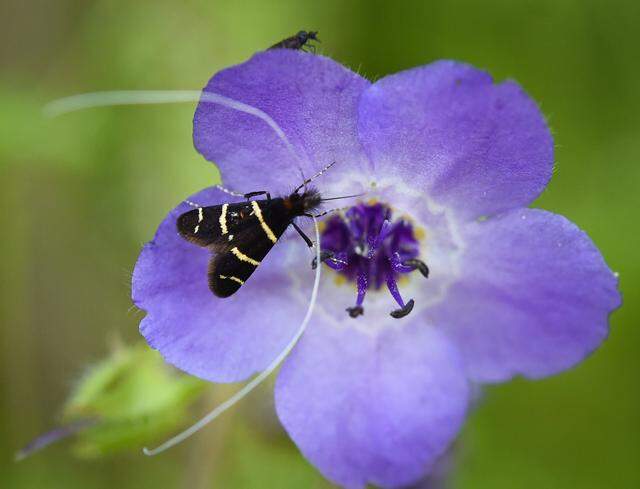
The best time to see wildflowers in the park is generally mid-spring to summer, according to First Light Resorts.
That’s when the blooms are most open and the weather is ideal for exploring.
“While you can spot colorful blooms nearly year-round, the months between March and July offer the most vibrant displays across the immense park, which is home to more than 1,400 species,” the resort said on its website. “In Yosemite Valley — the park’s most popular area — wildflower viewing peaks in late May and early June.”
The timing also depends on conditions including the weather and snowpack in higher elevations.
Yosemite National Park experienced a relatively warm winter with little snow, so wildflowers will likely pop up earlier, especially at lower elevations, First Light Resorts said.
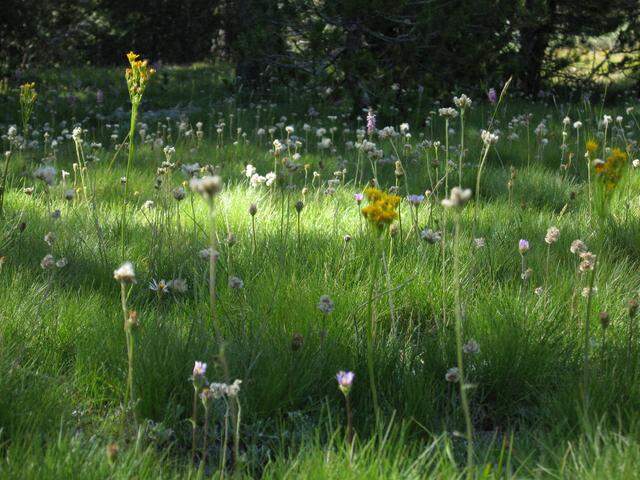
Wildflower season in the park typically starts in March and runs through August, depending on elevation, according to Yosemite Resorts.
March and April are a great time to explore the foothills and lower elevations west of Yosemite Valley and along the Merced River corridor, the lodging company said.
Try Cook’s Meadow, the Valley Loop Trail or the Bridalveil Fall area.
The Merced River Canyon is just outside the park at a lower elevation, so flowers there bloom before those in the park, according to The Yosemite Conservancy’s wildflower guide.
“The drive along Highway 140, heading to the Arch Rock entrance, transforms into a rainbow ride for several weeks depending on the spring weather,” the conservancy said. “Patches of flowers coat the canyon walls in a rich tapestry of color.”
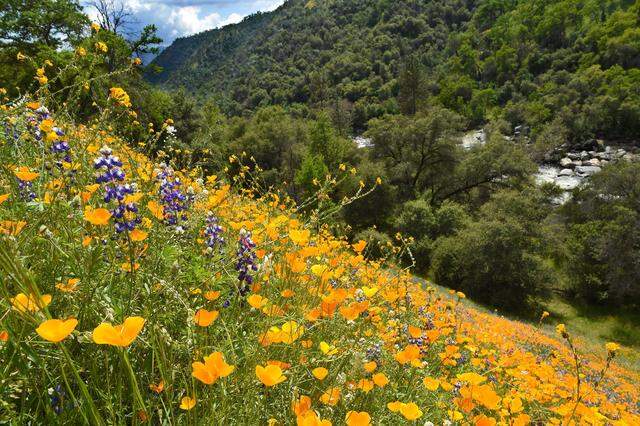
Here are five classic springtime blooms to look for from the end of February through late April in the Merced River Canyon, according to the Yosemite Conservancy:
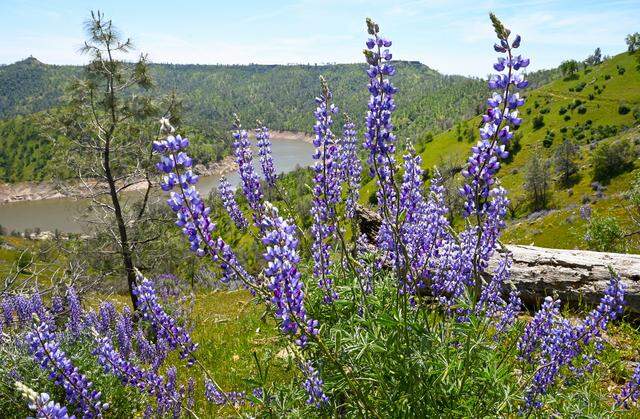
The Yosemite Conservancy created its wildflower guide to help beginners and experienced botanists alike identify wildflowers in Yosemite National Park.
“Incredible wildflowers of all shapes, sizes and colors grow in the protected habitats of Yosemite National Park,” the conservancy said. “From rare endemic species that only flower in Yosemite to more commonly known species, each blossom brings a sense of delight to the senses.”
The conservancy also provides a detailed species list for vascular plants in the park for the “real plant pros.”
Look for these common wildflowers in the early spring:
Early in the season, you can find flowers blooming in the shade of giant sequoias.
These wildflowers are “more prominent earlier in the season for the mid-montane elevations of giant sequoia groves, late-April through June,” the conservancy said. “Notable wildflowers include the periwinkle poofs of California lilac … and occasional wild strawberries dotting the forest floor.”
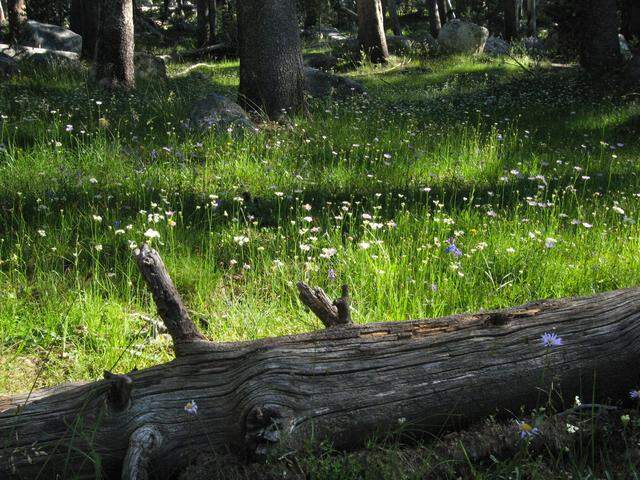
Late spring from May to June is typically peak bloom season in Yosemite Valley — and a great time to go chasing waterfalls as well.
“As snow melts and waterfalls surge, meadows begin filling with color,” Yosemite Resorts said.
Look for these species as the weather warms:
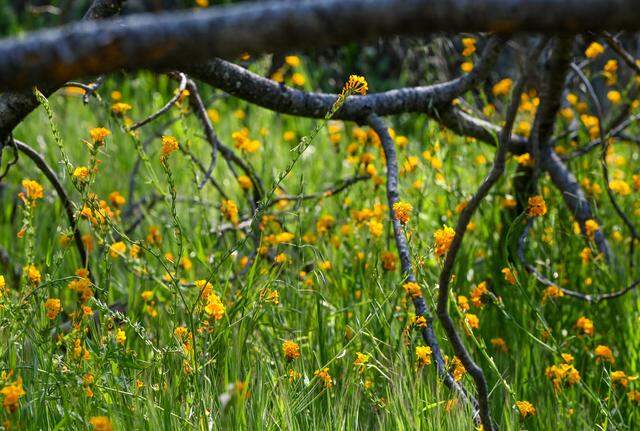
The best “hidden corner of the park for wildflowers in the spring” is Hetch Hetchy, the Yosemite Conservancy said.
From March through May, “this northwest area of the park really shines throughout the spring months for flower lovers,” the conservancy said.
There, you’re likely to find mariposa lilies, clarkias and monkeyflowers lining the trail to Wapama Falls, according to the Yosemite Conservancy.
“This sunny, moderate, 5-mile hike is best started first thing in the morning before things heat up along the reservoir,” the organization said.
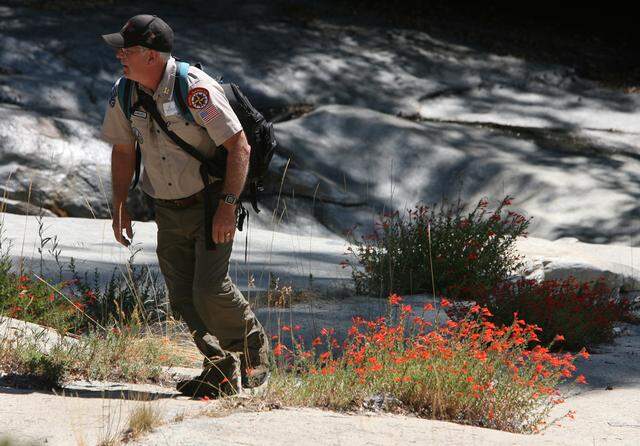
“Flowers frame iconic rock formations and wildflowers throughout the early spring season,” the Yosemite Conservancy said.
“Lupines along Southside Drive, western azaleas in Cooks Meadow, apple blossoms in Curry Village and dogwoods along the Lower Yosemite Fall trail make hiking in spring time a botanical delight,” the conservancy said.
These are a few flower species to look for in Yosemite Valley from April through early June:
You might see Pacific dogwood in bloom just below Yosemite Falls in May, according to the National Park Service.
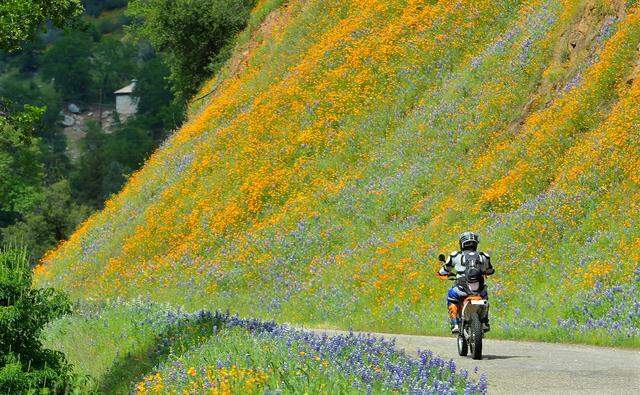
Once Tioga Road opens, you can start exploring the high country for alpine blooms.
July and August are great times to drive Tioga Pass into the Tuolumne Meadows.
There, you can see:
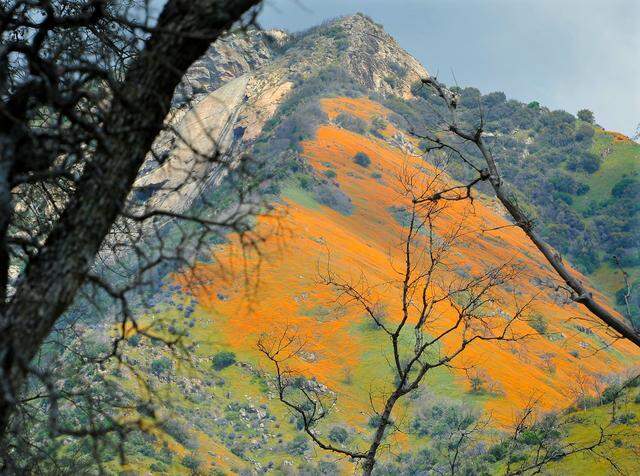
“In the middle of the summer, when the foothills have turned to golden amber grasslands, the wildflowers are just awakening in the high Sierra,” the Yosemite Conservancy said in its guide. “Depending on snow levels, the wildflowers listed below will be blooming throughout the short growing season. Think hikes off of Tioga Road that go to alpine lakes or follow seasonal creeks for the best wildflower vistas.”
Look for these species:
From June through August, you can also spot mountain pride in this area.
The conservancy described as mountain pride as a “precociously pink penstemon” that brings a “bold, bodacious bounty of magenta magic along the highways.”
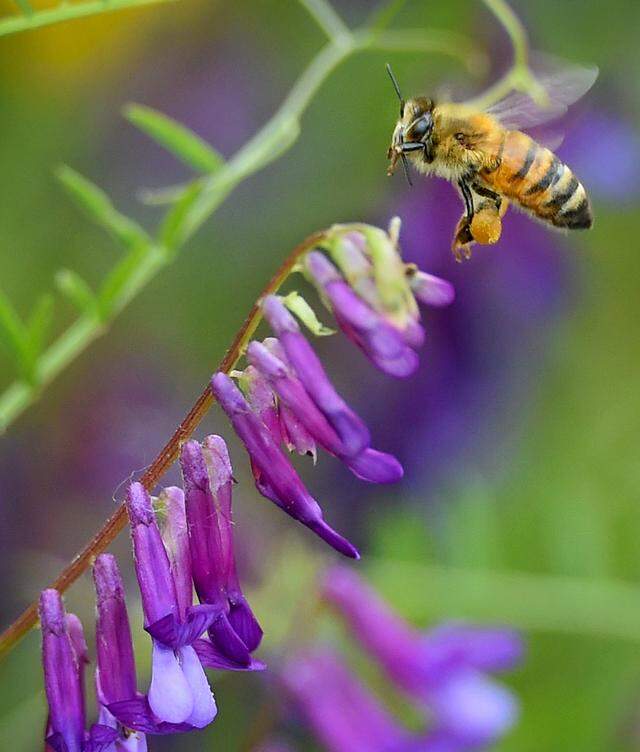
“Yosemite is not known for massive desert-style super blooms,” the lodging company said. “Instead, you will find pockets of color scattered through meadows and along trails.”
Dry, warm winter weather could mean fewer blooms overall, Yosemite Resorts said, noting that wildflower coverage can vary week to week.
“A meadow can look different even 10 days later,” the company said.
Yosemite Resorts shared these tips for planning a wildflower trip:
This story was originally published March 26, 2026 at 5:00 AM.

Brooke (they/them) covers Fresno and California news as the Fresno Bee’s service journalism reporter. They previously covered wildlife and national parks out west for the national real-time team at McClatchy News. Originally from Florida, they studied journalism at the University of Florida and previously covered LGBTQ+ news for the South Florida Sun Sentinel, their hometown newspaper. When they’re not writing stories, they enjoy hanging out with their cats, riding horses or spending time outdoors.



Leave a comment