
The Thai premium smartphone market has entered a high-stakes season following the official debut of the Samsung Galaxy S26 on Feb 26, 2026. With a starting price of 41,900 baht, the flagship’s arrival has set a new benchmark for the high-end segment this year, closely followed by the March 2 launch of the iPad Air M4, which entered the market at 21,900 baht and iPhone 17e, which entered the market at 22,900 baht.
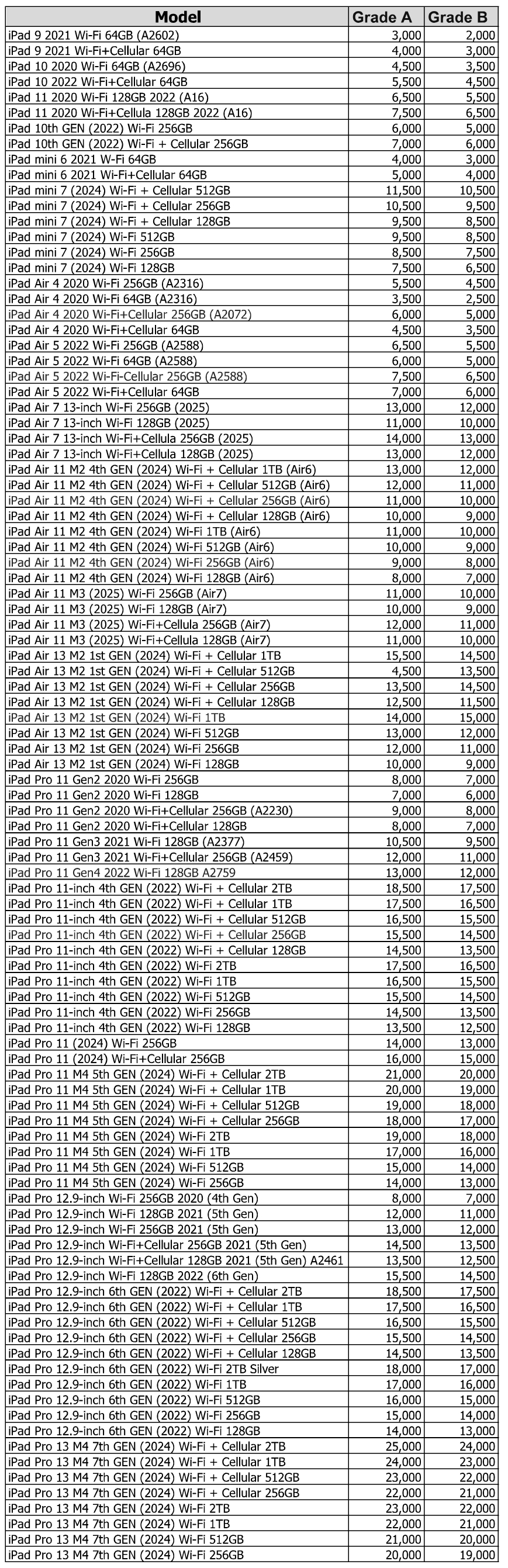
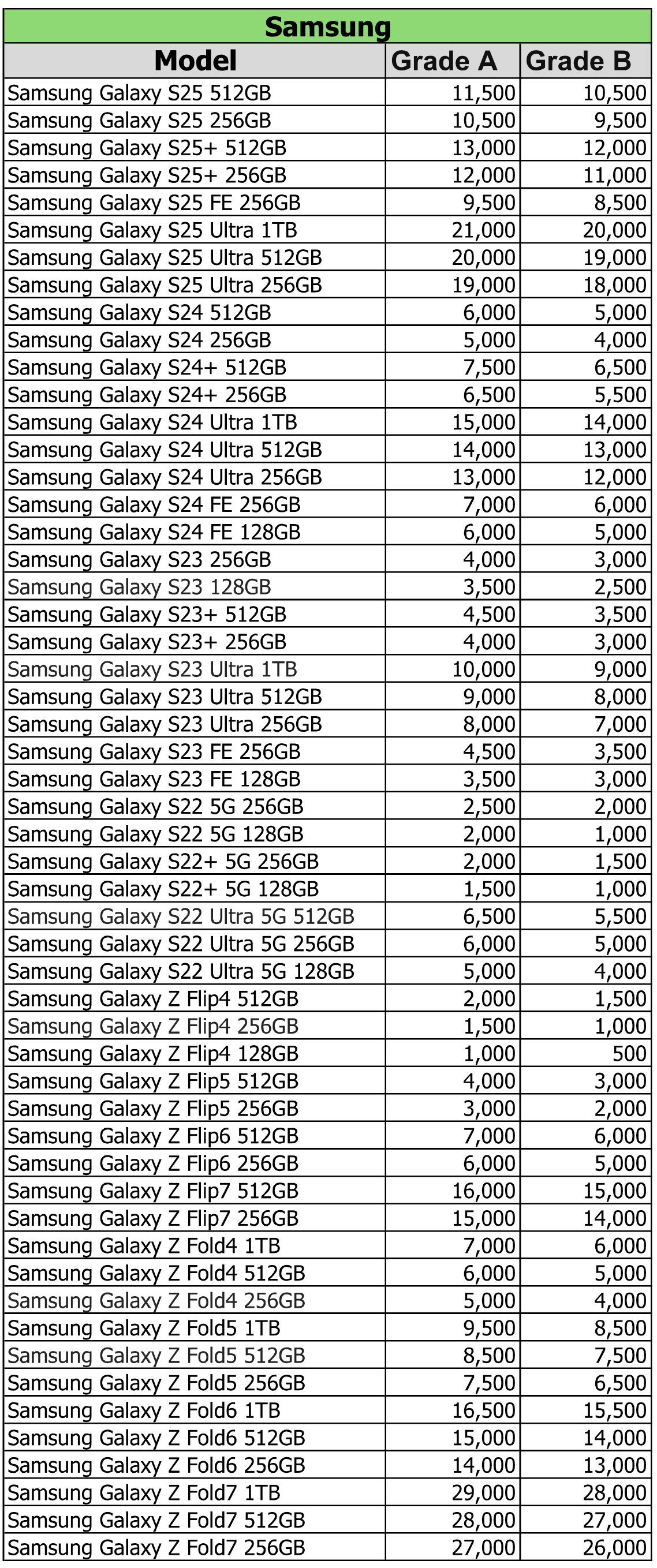
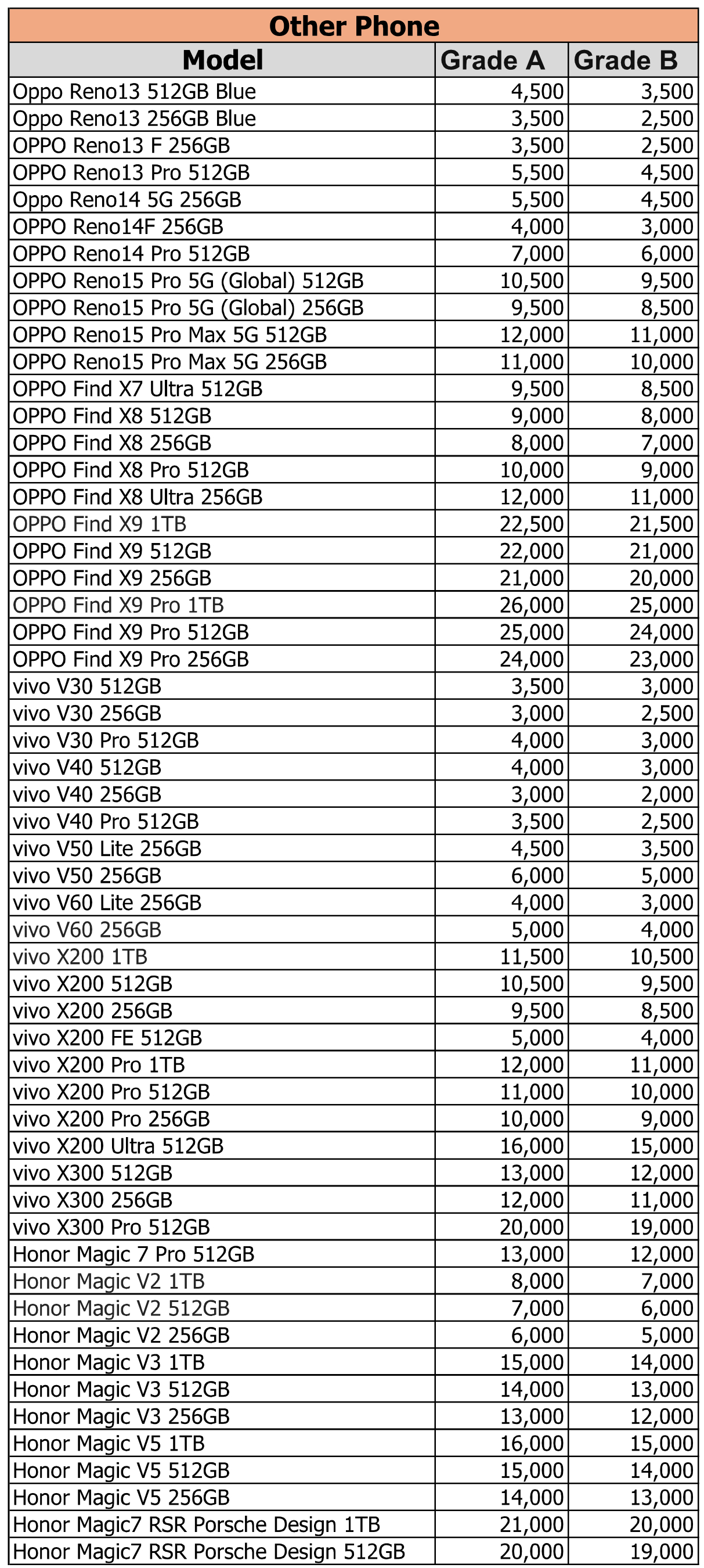
In response to these major releases, current trade-in valuations across Thailand have been updated to reflect the shifting second-hand market. This guide aims to provide consumers with a clear understanding of the trade-in credits available for their existing hardware as they look to upgrade to the latest technology.
The data used to compile these valuations has been sourced from the official portals of Studio7 and BaNANA IT. These sources were selected to ensure a balanced comparison between the iOS and Android ecosystems, providing a fair assessment for users across both major platforms.
To determine the final trade-in value, retailers categorise devices into a specific four-tier grading system. This systematic approach ensures that the buy-back price accurately reflects both the physical and functional state of the handset being traded.
Mobile phones are categorised into four grades:
Grade A applies to devices in perfect condition inside and out.
Grade B covers phones with more than three minor scratches.
Grade C refers to units with more visible wear, such as a scratched screen or a faulty camera, but which remain usable overall.
Grade D the lowest category, is assigned to heavily damaged devices, including those with cracked or flickering screens.
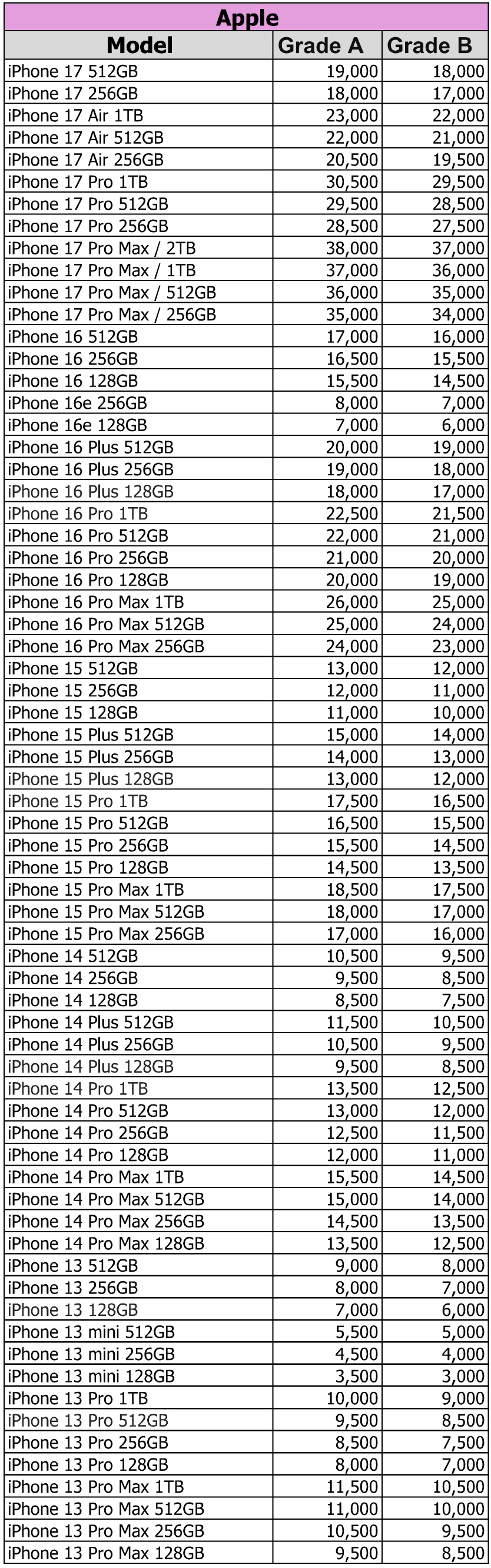
The company notes that while customers may assess their phones as Grade A, the final decision rests with its evaluation team. Buyers who disagree with the assessment may request a recheck. Customers are therefore advised to carefully review the physical condition of their device before submitting it for trade.



Leave a comment