
Whether Apple releases its first foldable device later this year, or delays it to 2027, I know a lot of people are going to focus on the design of the iPhone Fold. And why shouldn’t they, especially after the ridiculous thinness we saw with the Galaxy Z Fold 7.
While I wouldn’t mind an ultra-thin iPhone Fold, the hardware won’t matter if Apple doesn’t sell us on the software. It will likely run iOS 27, which requires a drastic change to the interface so that it adapts between the two screens — but I’m more concerned about multitasking.
Apple already has a blueprint with Split View, Slide Over, and Stage Manager on iPad, but the iPhone Fold needs to go in a different direction. Reports indicate that it’s giving the iPhone Fold an iPad-like treatment by implementing multitasking with the main display. But knowing that there’s never been true multitasking on an iPhone, Apple can’t afford to botch this. Here’s why.
Article continues below
Two screens mean the interface needs to be dynamic
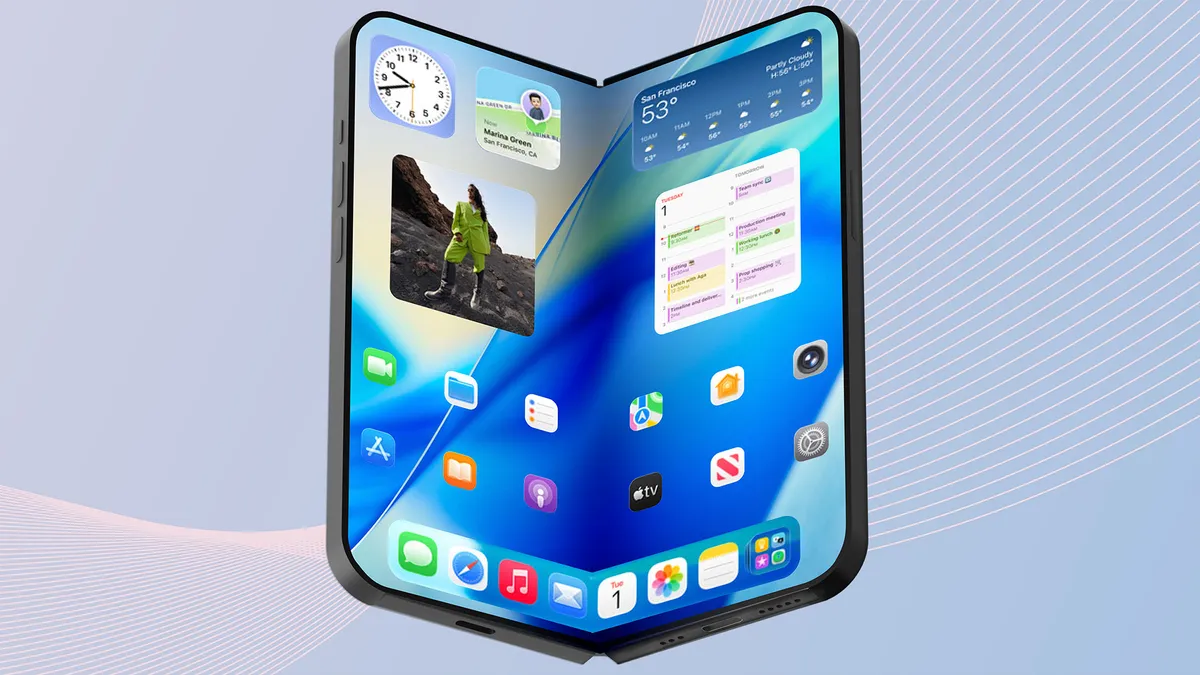
I remember a time when you could only run one app at a time, and the only way to get to another was to constantly go back to the home screen. With iOS 4, Apple finally gave us proper app switching — and that’s practically what we’ve been doing to this day. Honestly, it feels like a missed opportunity since Android has long offered true multitasking with two apps running side-by-side.
Since the iPhone Fold will have two displays, it complicates things by forcing the interface to dynamically shift between them. While it makes sense for the rumored 7.8-inch main display to be the preferred choice for multitasking, it’ll be interesting to see if Apple implements these features on the smaller, 5.3-inch outer screen.
Supporting two apps should be easy for the iPhone Fold to manage, even on a smaller screen, but anything more than that will be a challenge — and I’m not just referring to memory management or app refreshing. This would require a fundamental change in how the iPhone behaves when accessing multiple apps at once on one screen.
The best multitasking experience already exists
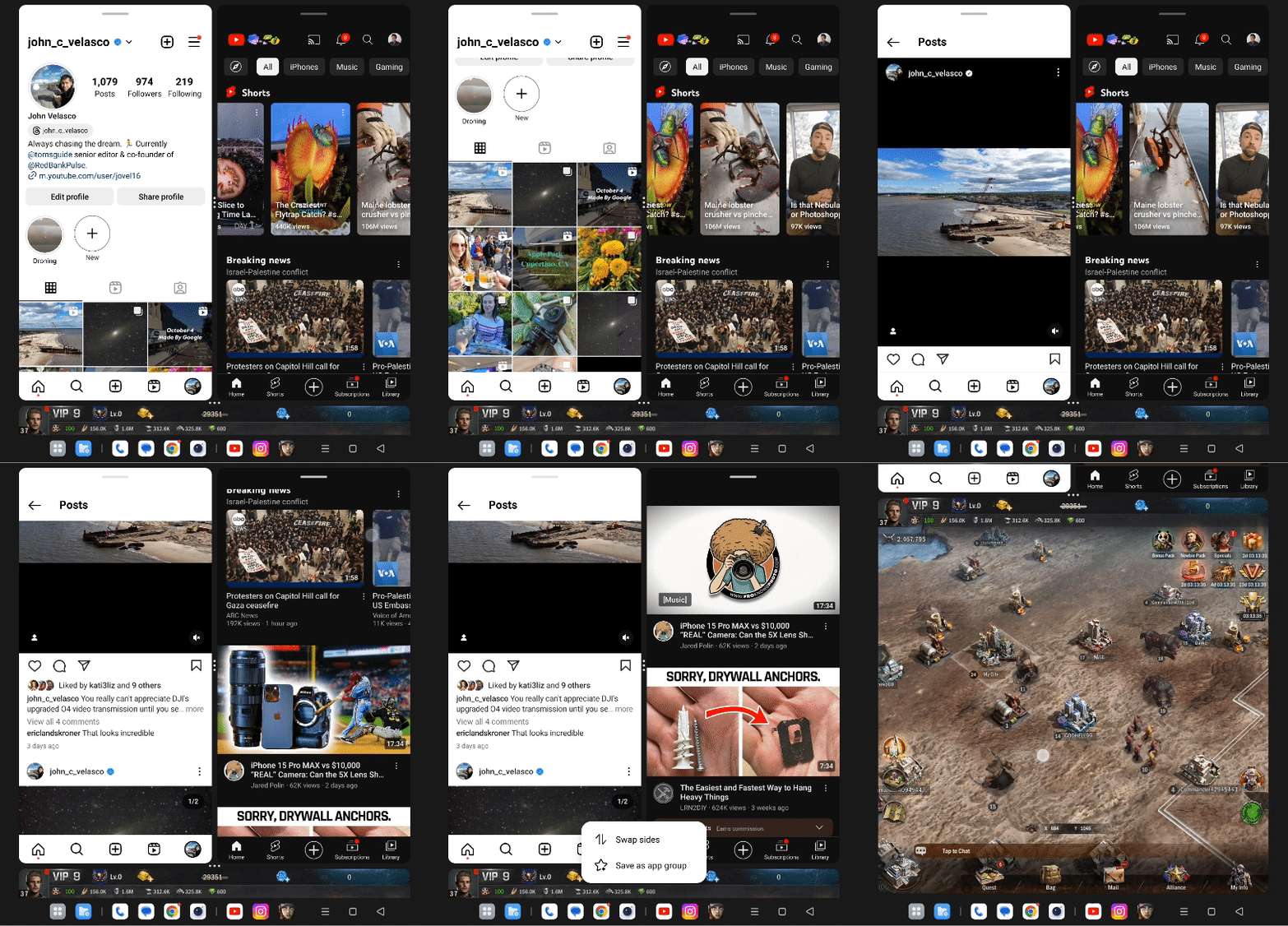
Strangely enough, the best multitasking experience on a phone already exists. Debuting on the OnePlus Open, Open Canvas handles multitasking in a way that actually makes sense for a foldable. The example above perfectly highlights how well this system works on a sprawling display while juggling three apps at once.
What’s even more impressive is that OnePlus brought this to the OnePlus 15, its latest flagship with a much smaller screen — yet the execution is no different. It works so well because of how the app layouts dynamically shift. You can push one app out of the frame to see another in full-screen mode, then quickly jump back to the others with a single tap.
Apple could essentially copy OnePlus’ implementation, but I’d like to see something more original. Perhaps they could lean on a universal five-finger gesture to move dynamically between apps. Apple already makes excellent use of this gesture on iPad, but it would need to be adapted to remain practical across both of the iPhone Fold’s displays.
Apple has proven why software matters

Multitasking is, without question, the feature I’d much rather see Apple focus on than the physical design of the iPhone Fold. History has shown that software is king, and the iPhone itself is the ultimate evidence of that. When Steve Jobs introduced the original iPhone, I was less impressed by the hardware and more by the simplicity of iOS — specifically the fluidity of kinetic scrolling in Safari Mobile and how pinch gestures worked flawlessly.
If Apple is going to take the next evolutionary step with a foldable device, multitasking must be a higher priority than an ultra-thin design.

Follow Tom’s Guide on Google News and add us as a preferred source to get our up-to-date news, analysis, and reviews in your feeds. Subscribe to Tom’s Guide on YouTube and follow us on TikTok.


Leave a comment